I first came to Puerto Vallarta in 2021 and returned for a few months at a time before eventually making a home in Versalles. Working online here gives me access to the beach, fresh seafood, and a community I know well, but it is not a flawless digital-nomad bubble. Internet, rent, heat, traffic, and the size of the social scene all depend on where and when you stay.
In this guide, I’ll share what it’s really like to live and work remotely in Puerto Vallarta – from finding an apartment and coworking spots to navigating visas, safety, and building a social life.
Why live In Puerto Vallarta?

Puerto Vallarta can work well for remote workers, but it is not a flawless digital-nomad hub. It has coworking spaces, cafés, medical providers, and an international airport. Internet quality, healthcare access, traffic, and walkability still depend on the exact location and your needs.
What really sets Puerto Vallarta apart is its community. The city is one of the most LGBTQ-friendly destinations in Latin America, with a vibrant nightlife and welcoming atmosphere that makes everyone feel at home. It is also more dog-friendly than many places I have lived. Puglo joins me at plenty of outdoor cafés and restaurants, but individual businesses, buildings, and beaches set their own rules, so I still check first.
And then there’s the food. From street tacos and fresh seafood to vegan cafés and fine dining, Puerto Vallarta has an incredible food scene that keeps surprising me. Combine that with access to quality healthcare, friendly locals, and endless outdoor adventures, and you’ve got a place that offers an overall amazing lifestyle.
For me, that balance was the biggest draw. I came for the beaches and sunsets, but I stayed because life here feels healthier, happier, and more connected. It’s a place where I can run my business, enjoy the outdoors, and be part of a welcoming community.

Digital Nomad Scene in Puerto Vallarta
The digital nomad scene in Puerto Vallarta is a little different than other hotspots in Mexico. It’s traditionally been more of an expat city with long-term residents, but the nomad community here is definitely growing. Many people return every winter to escape colder climates, so there’s a steady cycle of familiar faces alongside new arrivals.
As a digital nomad, I really value that mix – it means I don’t have to start from scratch making friends each season, but I also get the excitement of meeting fresh people every year. A lot of visitors come planning a short stay, only to fall in love with Puerto Vallarta and extend their time here, sometimes turning it into a permanent base.

Visa for Puerto Vallarta Mexico
Visitors may be authorized for up to 180 days, but 180 days is not automatic. Check the period granted in your entry record and do not plan a stay around the maximum until it has actually been authorized.
For a longer stay, temporary residency may be appropriate. I received mine through a special COVID-era regularization program that is not the standard route today. Most applicants begin at a Mexican consulate outside Mexico, and individual consulates publish their own appointment, local-residency, financial-solvency, and document requirements. Check the exact consulate you will use instead of relying on a converted dollar amount from a blog post. After entering Mexico with the visa, you complete the exchange for a resident card with immigration in Mexico.
Permanent residency has several qualifying routes. Some people transition after holding temporary residency for the required period, while others qualify directly through family or other provisions. Confirm the current route and documents with the consulate and Mexican immigration authorities for your case.

Finding an apartment in Puerto Vallarta
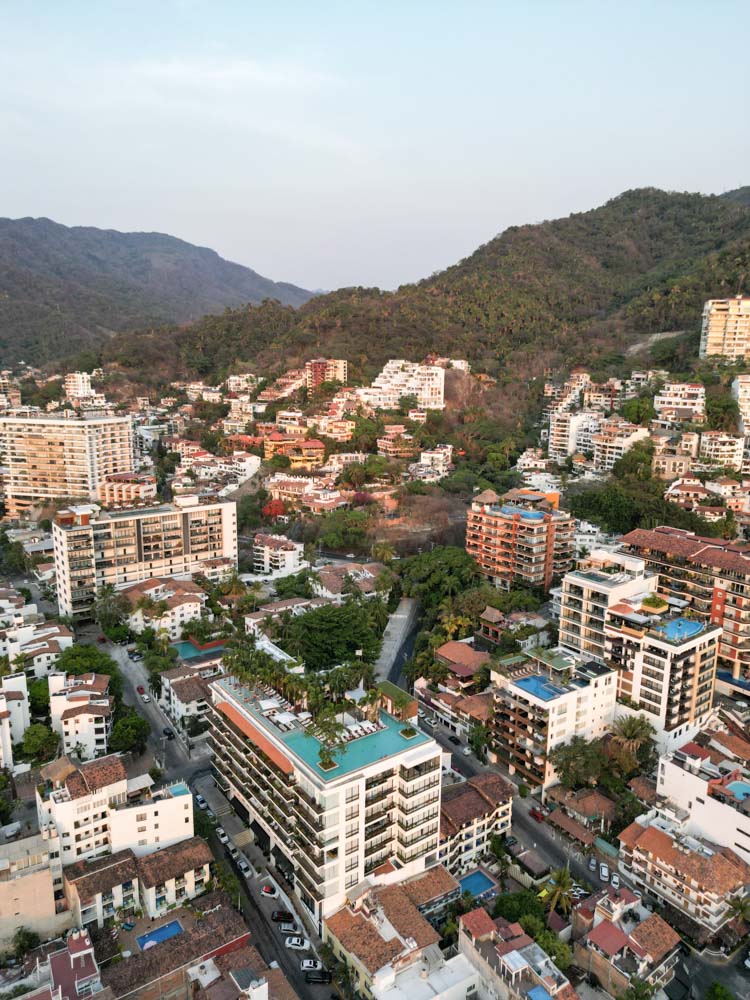
Having lived in almost every neighborhood, I’ve made a list of the best areas for expats to live in Puerto Vallarta.
Popular areas like Zona Romántica and 5 de Diciembre are full of energy and nightlife, while Versalles has become a hotspot for nomads thanks to its growing café scene, modern apartments, and quieter vibe. If you prefer a more local feel, Fluvial and Pitillal offer better value, with bigger spaces at lower prices.
Many remote workers look first at 5 de Diciembre, Versalles, and Zona Romántica, but those are not automatically the best fit. Compare noise, hills, traffic, internet at the exact unit, and the walking route you will use every day.

If you are moving to Puerto Vallarta and don’t have anyone to look at apartments for you, it’s best to book a short-term rental first, so you can become familiar with the neighborhoods before deciding where you want to live long-term.
VRBO and Airbnb are convenient for a first stay, but the total can be higher than a local lease and the difference is not a fixed markup. Compare the full price, cancellation terms, utilities, deposits, and platform protections. For a longer lease, view the property, verify the owner or manager, use a written agreement, and keep payment records. Local rental groups can help with leads; my long-term rental guide has more details.
You can find cheaper places by calling numbers posted on apartment buildings. Look for signs on apartments that say “Se Renta” and communicate directly with the landlord.
The only thing to know about this approach is that you’ll need to know Spanish reasonably well, as most landlords don’t speak English.
Rents vary widely by season, neighborhood, building, lease length, utilities, and furnishing. Older dollar figures become misleading quickly, so collect several current quotes for comparable units and ask exactly what is included.
In the off-season (summer), prices drop, but from November to April expect to pay more and face stiffer competition. Long-term leases (6–12 months) usually offer the best deals.
Internet and coworking spaces in Puerto Vallarta

One of the biggest questions digital nomads have is about internet reliability in Puerto Vallarta, and the good news is that it’s generally solid. Most apartments and houses in the city have decent Wi-Fi, but speeds can vary a lot from place to place. Before signing a lease, always ask the landlord to run a live speed test so you know what you’re getting. If the connection isn’t up to your needs, you can usually set up your own plan with providers like Telmex or Totalplay.
If you prefer to get out of the house, Puerto Vallarta has plenty of options. There are countless cafés with strong Wi-Fi and comfortable seating, which are perfect if you like to switch up your work environment. And if you want something more structured, there are coworking spaces throughout the city that give you reliable internet, air conditioning, and a built-in community of remote workers.
Best Facebook groups for digital nomads in Puerto Vallarta
Facebook groups are one of the easiest ways to integrate into the digital nomad community in Puerto Vallarta.
This group is for digital nomads in Puerto Vallarta. It’s a great place to ask questions and network with other nomads. Members share local questions and events, but schedules and activity levels change, so check the latest posts.
‘Young & Fun Expats of Puerto Vallarta‘ is run by my lovely friend Rachel. It’s a community of young people (aged 20-40) who have moved to Puerto Vallarta. It has been a useful social group for younger residents, but confirm the current age focus and event schedule in the group.
This group is a general group about Puerto Vallarta. You can ask just about anything here, and someone will point you in the right direction.
There are also some Whatsapp groups, but I don’t recommend joining these until you’re actually here, as they get flooded with messages daily.
Lifestyle and staying active in Puerto Vallarta

Puerto Vallarta’s lifestyle is a blend of relaxation and activity, perfectly suited for digital nomads who thrive on staying active and social.
Beach volleyball has been one of the ways remote workers and residents meet, but days and organizers change. Look for a current local group instead of arriving with an old weekly schedule.
There are many hiking trails nearby the city, and many nomads walk up to the Mirador (viewpoint) in town as their daily exercise. You can also go swimming, diving, or surfing in nearby beach towns.
If you want to go to a gym, they are affordable. For example, I paid $30 for a one-month gym membership, including daily fitness classes, weights, and equipment.
There are also fitness and wellness classes around the city, including yoga, dance, and martial arts. I have loved the hilltop setting at Terra Noble. Classes, reservations, and private experiences change, so check its current calendar before making the trip uphill.
Finally, many digital nomads stay fit in Puerto Vallarta by taking salsa classes or just heading out to a salsa club at night!
Cost of living in Puerto Vallarta as a digital nomad

The cost of living in Puerto Vallarta has gone up in recent years, especially for housing. There is no reliable citywide rent figure: price depends on neighborhood, season, furnishings, lease length, utilities, and building quality. Build a budget from live listings and written quotes instead of an old headline price.
Outside rent, the budget still depends on where you shop and eat. Local food can cost much less than restaurants aimed at visitors, while imported groceries, specialty products, cocktails, and coworking passes add up. Treat any quoted dollar price as a dated example and check current menus and memberships.
Taxis and Ubers are inexpensive compared to U.S. cities, though they add up if you’re constantly moving around. Groceries are affordable if you shop at local markets, but imported items and specialty health foods can cost significantly more.
Private healthcare may cost less than in Canada or the United States, but fees vary by provider, specialty, tests, and treatment. Ask for current prices and credentials, and keep insurance for costs that are not manageable out of pocket.
Health, Safety & Well-Being
I feel safe in Puerto Vallarta and have had no issues, including as a solo woman. That is my experience, not a guarantee or a city ranking. I use ordinary precautions, pay attention to my surroundings, and choose transport based on the time and route.
Puerto Vallarta has private clinics, hospitals, dentists, and some English-speaking providers, but availability, language, price, and level of care are not universal. I have paid very little for dental care in the past, but that anecdote is not a current quote or a reason to skip checking qualifications and treatment costs.
Pharmacies are everywhere, and many medications that require prescriptions in the U.S. and Canada can be purchased over the counter. For longer stays, it’s worth having travel or expat insurance, but even without it, costs are manageable.
Well-being is easy to prioritize here. Between beach walks, jungle hikes, yoga studios, and fresh local food, it’s not hard to live a healthy lifestyle. There are plenty of gyms, Pilates and yoga studios, and even wellness centers offering things like massages, acupuncture, and alternative therapies.
Puerto Vallarta has private and public medical providers plus easy access to outdoor activities. Provider capability, specialist access, insurance acceptance, and costs vary, so remote workers should make a practical healthcare and insurance plan before choosing it as a base.
Community, Networking & Integration

One of the best parts of living here is the community. There are more expats than digital nomads, and the social circle can feel small. That is both a blessing and a curse, but local groups and casual meetups have led to lasting friendships for me.
Puerto Vallarta sometimes feels like a small town, which can be both a blessing and a curse. Everyone is kind of connected, so once you meet a few people, you’ll quickly find yourself running into them everywhere, at the beach, cafés, or the next event. On one hand, it makes it super easy to integrate; on the other, it can feel like you’re living in a small bubble.
If you want to grow your network, there are plenty of options. Coworking spaces often organize social events, and there are language exchanges, beach cleanups, and volunteer projects where you can meet locals as well as other nomads. Weekly markets, yoga classes, and live music nights are also great places to strike up conversations. Puerto Vallarta has a strong LGBTQ community too, which adds to the city’s open and inclusive feel.

Puerto Vallarta Digital Nomad Challenges
Living in Puerto Vallarta as a digital nomad is amazing, but it’s not without challenges. Here are some of the main ones to be aware of:
Rising Costs
Housing and general living expenses have increased in recent years as more expats and nomads move to the city. Modern apartments, especially in popular neighborhoods, can be expensive — particularly during high season.
Heat, Humidity & Rainy Season
From June through October, the weather can be extremely hot and humid, with heavy rainstorms most afternoons. Mold is a common issue in apartments, and the climate can take some adjustment.
Bureaucracy
Dealing with paperwork in Mexico, whether for visas, taxes, or setting up utilities, can be slow and confusing. Offices don’t always follow consistent processes, and patience is often required.
Small-Town Feel
Puerto Vallarta can feel like a small town despite its popularity. Everyone tends to be connected, so once you know a few people, you’ll start running into them everywhere. While this creates a strong sense of community, it can also feel limiting.
Seasonality
Life in Puerto Vallarta changes dramatically between high and low season. Winter is busy, social, and full of events, while summer can feel quiet, hot, and less active.

Speaking Spanish in Puerto Vallarta
Mastering the local lingo in Puerto Vallarta can transform your stay from a standard expat experience to a rich, immersive adventure. While you’ll find English widely spoken in tourist areas and among the digital nomad community, knowing Spanish opens up a deeper connection with the city and its people.
I can’t recommend enough taking the time to learn Spanish, and I’ve found a fantastic resource right here in Puerto Vallarta that caters specifically to ex-pats..
This online course, created by a fellow expat, stands out from the rest. It’s not your average language class; this course is designed with practicality at its core, teaching you the Spanish you’ll actually use in everyday life here.
From negotiating rent and asking for directions to ordering food and making new friends, the course covers scenarios that you’ll encounter daily. It’s hands-down the most useful Spanish class I’ve taken—and I’ve been through my fair share.
The lessons are engaging, relevant, and tailored to help you navigate the nuances of local culture with confidence. Get 10% off your course using code LORA10!
FAQ: Puerto Vallarta digital nomad
Is Puerto Vallarta good for digital nomads?
Yes, Puerto Vallarta is one of the best digital nomad destinations in Mexico, with reliable internet, a vibrant community, and a great quality of life by the beach.
Does Mexico allow digital nomads?
Mexico doesn’t have a specific digital nomad visa, but many nomads stay on a tourist visa or apply for temporary residency to live and work remotely.
Is there good WIFI in Puerto Vallarta?
Yes, Puerto Vallarta has reliable and fast WIFI, with many cafes and co-working spaces catering to digital nomads.
Do I have to pay taxes in Mexico as a digital nomad?
Typically, if you’re there temporarily and earning from abroad, you may not need to pay Mexican taxes.
Where is the best place for digital nomads in Mexico?
Popular nomad hubs include Puerto Vallarta, Mexico City, Playa del Carmen, Oaxaca, and Tulum, each offering different lifestyles and price points.
Can US citizens live in Puerto Vallarta?
Yes, many Americans live in Puerto Vallarta either part-time or full-time, typically on a temporary or permanent residency visa.
How long can you stay in Mexico as a digital nomad?
With a tourist visa, you can stay in Mexico for up to 180 days, and there are other visa options for longer stays.
Is Puerto Vallarta a party town?
Puerto Vallarta has a lively nightlife scene, but it also offers tranquil areas for those looking for a quieter experience.
Is English widely spoken in Puerto Vallarta?
English is widely spoken in tourist areas and is generally understood in many parts of the city.
Are there a lot of expats in Puerto Vallarta?
Absolutely. Puerto Vallarta has a large expat and digital nomad community, which makes it easy to meet people and build a social circle.
Do digital nomads pay tax in Mexico?
Tax obligations do not follow a simple tourist-versus-resident rule. They can depend on tax residence, income source, treaty rules, and personal circumstances. Get advice from a qualified cross-border tax professional for your situation.
Final thoughts: Digital nomad Puerto Vallarta
Puerto Vallarta has grown into one of the top digital nomad destinations in Mexico, and for good reason. It combines modern comforts like reliable internet and quality healthcare with a laid-back coastal lifestyle, vibrant community, and endless opportunities to explore outdoors. Yes, there are challenges, from rising housing costs to the rainy season, but for me, the positives far outweigh them.
What started as a short stay turned into a place I now call home. Puerto Vallarta offers the kind of balance many digital nomads are searching for: a safe, welcoming city where you can be productive, live well, and still feel like you’re on an adventure.
If you’re curious whether Puerto Vallarta could be your base, the best way to know is to try it. Spend a month here, test the Wi-Fi, find your favorite café, and see how the rhythm of life feels. Chances are, you’ll fall in love just like I did.
Thinking about becoming a digital nomad in Puerto Vallarta? Check out these posts!
- 11 Best Places For Coworking in Puerto Vallarta Mexico
- 7 Best Places To Live in Puerto Vallarta [Expat Guide]
- How to Find Long Term Rentals In Puerto Vallarta Mexico
- Cost of Living In Puerto Vallarta, Mexico
- Pros and Cons of Living in Puerto Vallarta
- 9 Reasons To Move to Puerto Vallarta Mexico
- Expat Guide to Living in Puerto Vallarta

